
 GCC as a
Service
GCC as a
Service Build
Operate Transfer(BOT) Model
Build
Operate Transfer(BOT) Model Managed
Teams
Managed
TeamsEstablish Your Next-Generation Global Capability Center in India's Emerging Tier-2 Cities
Capitalize on 40% to 60% operational cost savings, access deep regional engineering talent, and build high-retention enterprise capability centers in Coimbatore, Kochi, Ahmedabad, and Indore through XPANSA's end-to-end GCC setup, compliance, and operating platform.
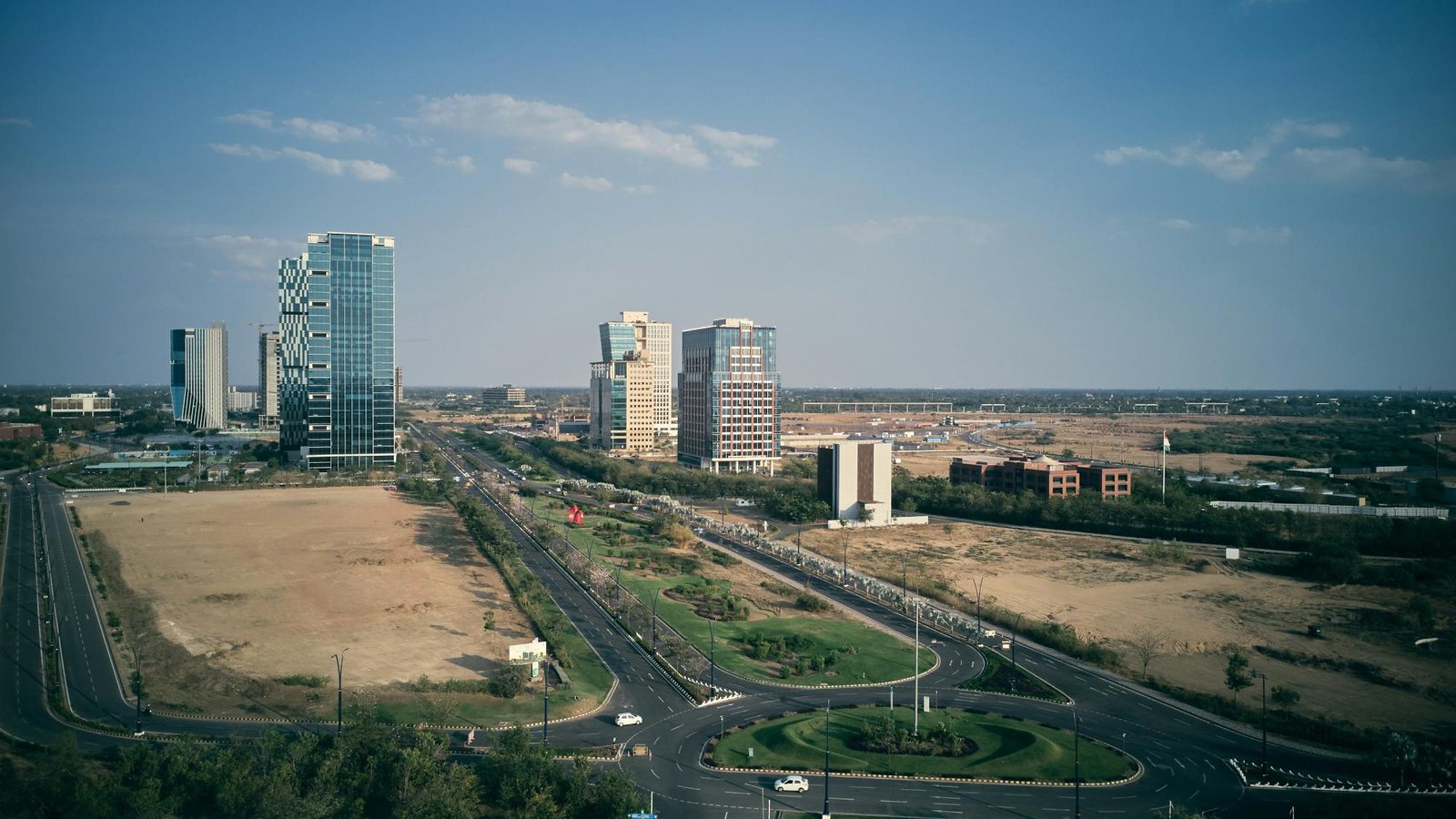
Why Tier-2 Cities Are the Future of GCC Growth in India
As of FY2026, India's Global Capability Center (GCC) ecosystem has scaled to host 2,117 active GCCs operating across 3,728 individual centers, employing over 2.36 million skilled professionals and generating an annual revenue exceeding $98.4 billion. While primary tech hubs such as Bangalore, Hyderabad, NCR, Mumbai, Pune, and Chennai laid the foundation for this growth, enterprises are now evaluating GCC setup in India across a wider range of locations.
Primary tech hubs face increasing structural overheads, including competitive compensation inflation, aggressive talent poaching, elevated annual attrition rates ranging from 18% to 25%, and rising Grade-A commercial real estate rental costs. Consequently, multinational corporations (MNCs), growth-stage technology firms, and global business decision-makers are re-evaluating their expansion strategies. The focus is shifting toward high-potential Tier-2 cities that offer sustainable scalability, workforce stability, and favorable operating economics.
Tier-2 destinations, specifically Coimbatore, Kochi, Ahmedabad, and Indore, have evolved beyond basic back-office transactional support centers. Today, these cities serve as strategic hubs for advanced software engineering, digital transformation, artificial intelligence (AI) pipeline development, quantitative financial analytics, and global enterprise shared services.
Tier-1 Metros (Bangalore, NCR, Mumbai)
- High Attrition (18% – 25%)
- Peak Commercial Real Estate Costs
- Saturated Talent Competition
- Infrastructure Congestion
Emerging Tier-2 Hubs (Coimbatore, Kochi, Ahmedabad, Indore)
- Low Attrition (7% – 12%)
- 40% – 60% Operating Cost Savings
- High Workforce Stability & Loyalty
- Proactive State Fiscal Incentives
Saturated Tier-1 Metros Versus Emerging Growth Hubs
The movement toward emerging Tier-2 hubs is driven by structural economics, demographic trends, and policy support.
Talent Sourcing at the Source
Approximately 60% of India's engineering, science, and technical graduates pass out from institutions located in or adjacent to Tier-2 and Tier-3 regions. Establishing centers in cities such as Coimbatore or Indore allows enterprises to recruit top-tier technical talent directly before they migrate to crowded Tier-1 labor markets.
Sustainable Cost Arbitrage
Operating a GCC in a Tier-2 location yields sustained overall cost savings of 40% to 60% across real estate, payroll, talent acquisition, and administrative expenses compared to established Tier-1 cities.
Government Policy Support
State governments across Gujarat, Tamil Nadu, Kerala, and Madhya Pradesh offer dedicated GCC policies incorporating capital expenditure (CAPEX) subsidies, operational expenditure (OPEX) reimbursements, employment generation incentives, and long-term tax concessions.
Modernized Regional Infrastructure
Expanded smart city initiatives, urban metro transit networks, international airport developments, and high-speed fiber landing cables have closed the physical and digital infrastructure gap between Tier-1 and Tier-2 destinations.
Enterprises assessing Tier-2 locations can begin with a structured GCC feasibility assessment covering talent availability, operating costs, infrastructure, incentives, and long-term expansion requirements.
This GCC location strategy helps determine whether a single-city setup or a distributed hub-and-spoke model is more appropriate.
India's GCC Market at a Glance, FY2026
India's Global Capability Center ecosystem has scaled into one of the largest offshore delivery markets in the world, with growth increasingly shifting toward emerging Tier-2 cities that offer sustainable scalability, workforce stability, and favorable operating economics.
City-by-City Strategic Analysis
Four Tier-2 cities, four distinct strategic profiles. Compare talent, infrastructure, and compensation across all four, then see them side by side in the matrix below.
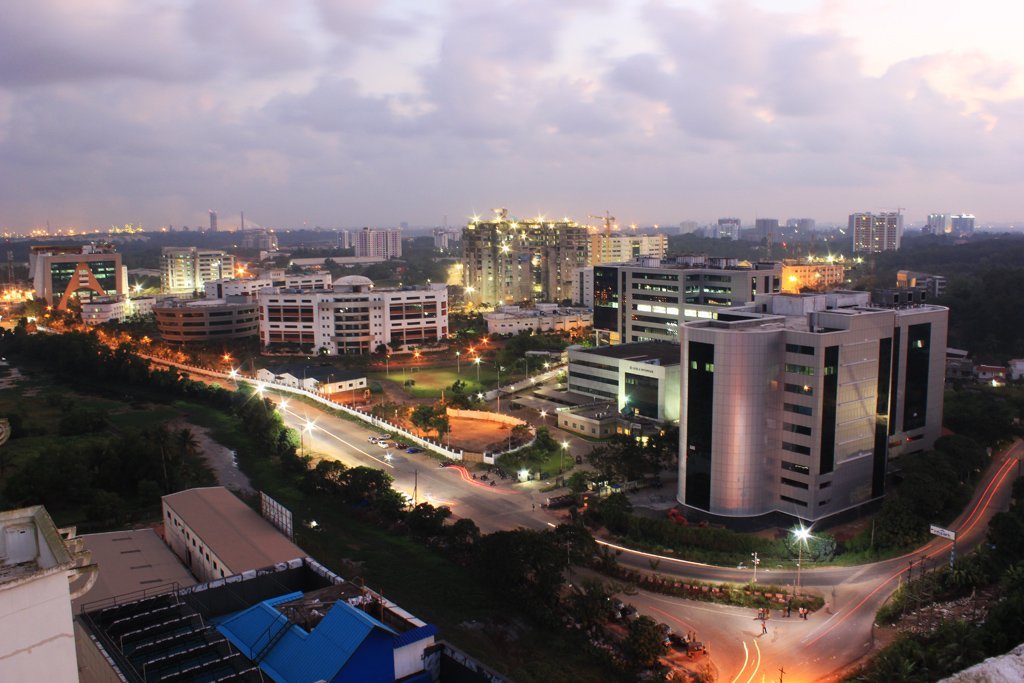
Coimbatore: Engineering Excellence, Embedded Systems, and Low Attrition
GCC setup in Coimbatore is particularly relevant for enterprises building embedded software, IoT, industrial automation, and engineering capabilities. Coimbatore has developed into a destination for advanced industrial engineering, technology development, and research. Drawing on a background in precision manufacturing, textiles, and automotive components, the city offers an established foundation for GCCs focused on Embedded Software, Internet of Things (IoT), Industrial Automation, and Enterprise Applications.
Academic Anchors and Talent Supply
Coimbatore hosts premier higher education institutions that generate over 31,000 engineering graduates and more than 20,000 computer science and IT professionals each year. Top academic anchors include the PSG College of Technology, Amrita Vishwa Vidyapeetham, and the Government College of Technology (GCT). These institutions maintain research programs in microelectronics, embedded systems design, robotics, and artificial intelligence, providing a steady supply of specialized talent for global technology operations.
Commercial Infrastructure and Technology Parks
The commercial real estate sector in Coimbatore features purpose-built technology parks designed to meet global enterprise standards:
- TIDEL Park Coimbatore: A modern commercial technology park offering Grade-A floor plates, redundant multi-gigabit fiber connections, continuous power supply, and integrated administrative facilities.
- CHIL SEZ (Keeranatham): A designated Special Economic Zone accommodating multinational tech engineering operations and R&D centers.
- Specialized Private Parks: Facilities such as Hanudev Info Park, Rathinam Tech Park, and KCT Tech Park provide flexible plug-and-play workspace solutions tailored for fast-growing mid-market setups.
Compensation Metrics and Workforce Stability
The installed base for embedded software engineering talent in Coimbatore displays a strong annual growth rate of 10%, the highest among Tier-2 locations in India. Median base compensation for embedded software developers stands at approximately $13,200 USD annually, which is roughly 9% lower than the national median. Annual employee attrition levels in Coimbatore remain low at 8% to 12%, giving global enterprises workforce stability for long-term product roadmaps.
Kochi: Submarine Fiber Infrastructure, Cloud Connectivity, and Digital Talent
Located on Kerala's southwestern coast, Kochi has positioned itself as a software engineering and cloud infrastructure hub. A key differentiator for Kochi is its direct access to international submarine fiber-optic cable landing stations, which deliver ultra-low-latency bandwidth to global networks.
Digital Infrastructure and Connectivity
Kochi connects directly to international undersea fiber pipelines (including SEA-ME-WE and SAFE cable architectures), reducing packet transmission hops. This low-latency connectivity makes Kochi an effective location for GCCs handling real-time cloud operations, continuous deployment pipelines, global Network Operation Centers (NOCs), and high-frequency data processing centers.
Key Technology Precincts
- Infopark Kakkanad: A multi-stage technology zone hosting over 400 technology companies. It provides Special Economic Zone (SEZ) benefits, Domestic Tariff Area (DTA) workspace options, dual-grid power backup systems, and direct urban metro transit links.
- SmartCity Kochi: An integrated commercial township offering Grade-A corporate workspace infrastructure designed to global environmental and architectural standards.
Talent Base and Cost Advantages
Kochi maintains an active IT talent pool of 40,000 to 45,000 professionals, supported by an annual influx of 22,000 to 25,000 fresh graduates. Higher education institutions, such as the Cochin University of Science and Technology (CUSAT) and the satellite campus of IIM Kozhikode, provide specialized talent in digital engineering and management. Grade-A corporate office rental rates range from INR 35 to INR 45 per square foot per month, delivering up to a 60% real estate cost saving relative to Tier-1 hubs.
Ahmedabad & GIFT City: Financial Services, IFSC Tax Incentives, and Pharma-Tech
Ahmedabad, the economic hub of Gujarat, has grown into a major GCC destination. The region's value proposition is driven by Gujarat International Finance Tec-City (GIFT City), India's sole operational International Financial Services Centre (IFSC).
GIFT IFSC Tax Incentives and Regulatory Structure
Setting up a Banking, Financial Services, and Insurance (BFSI) or FinTech GCC within GIFT City IFSC provides significant fiscal and regulatory benefits:
- 10-Year Corporate Tax Holiday: 100% tax exemption on business profits for any 10 consecutive years chosen within a 15-year operational window.
- Unified Regulatory Oversight: The International Financial Services Centres Authority (IFSCA) acts as a single-window regulator, streamlining regulatory approvals, cross-border remittance procedures, and entity setup.
- Transaction Tax Exemptions: Full exemption from Goods and Services Tax (GST) on services consumed within the IFSC, along with relief from Securities Transaction Tax (STT) and Stamp Duty.
- Gujarat GCC Policy 2025–30 Incentives: Provides up to 20% CAPEX subsidies, 15% OPEX reimbursements (capped at ₹40 crore annually), employment subsidies up to ₹60,000 per staff member, and 100% Employer Provident Fund (EPF) reimbursements for female hires.
Financial Real Estate and Enterprise Adoption
Ahmedabad offers a net effective commercial occupancy cost of INR 147 per square foot per month, the lowest among major commercial office markets in India. The market contains nearly 26 million square feet of Grade-A office stock in the city proper, plus an additional 4.1 million square feet within GIFT City. Enterprise adoption in GIFT City is demonstrated by major setups, such as Bank of America's center (which expanded from 500 to over 2,400 professionals across 400,000 square feet) alongside growing centers for Accenture, Capgemini, and IBM Consulting.
Domain Specializations & Talent Ecosystem
Ahmedabad maintains an installed technology talent pool of 90,000 to 95,000 professionals, including 86,000 software engineers and 71,000 finance specialists. The city produces 55,000 to 60,000 fresh graduates annually from institutions such as IIM Ahmedabad, IIT Gandhinagar, and DAIICT. Beyond BFSI, Ahmedabad is a center for pharmaceutical innovation (hosting headquarters for Zydus, Torrent, and Intas). This makes the city an effective location for Life Sciences GCCs specializing in clinical trial analytics, regulatory filings, bioinformatics, and health-tech R&D.
Indore: Central Connectivity, Enterprise SaaS, and Elite Talent Proximity
Indore is the commercial capital of central India and has been recognized as India's cleanest city for six consecutive years. The city has built up its technology infrastructure, emerging as a destination for Enterprise SaaS platforms, digital product engineering, cybersecurity, and cloud operational hubs.
Tier-1 Academic Institutions
Indore is the only city in India to host both an Indian Institute of Technology (IIT Indore) and an Indian Institute of Management (IIM Indore) within its municipal limits. Combined with Devi Ahilya University (DAVV), these academic anchors supply a steady stream of talent skilled in data structures, algorithms, deep-tech engineering, data science, and operational leadership.
Key Infrastructure Corridors
- Super Corridor IT Park: A planned commercial infrastructure corridor hosting major corporate campuses, including facilities for Infosys, TCS, Mphasis, and Impetus Technologies.
- Crystal IT Park: A state-developed Special Economic Zone and technology park providing Grade-A office space for software engineering and export operations.
Operational Quality and Attrition Profile
Indore provides a high quality of life combined with accessible cost structures. Employee attrition rates remain low at 8% to 11%, allowing global organizations to build stable product engineering teams with reduced recruitment turnover expenses.
Comparative Evaluation Matrix: Emerging Tier-2 Destinations
| Metrics & Parameters | Coimbatore | Kochi | Ahmedabad / GIFT City | Indore |
|---|---|---|---|---|
| Primary Focus Domains | Embedded Systems, IoT, Industrial Tech, Cloud Ops | Cloud Platforms, Telecom NOCs, Digital Engineering, Software R&D | BFSI, FinTech, Pharma-Tech, Capital Markets, Supply Chain | Enterprise SaaS, Cybersecurity, AI/ML Pipelines |
| Installed Tech Talent Pool | 65,000 – 75,000 | 40,000 – 45,000 | 90,000 – 95,000 | 35,000 – 45,000 |
| Annual Graduate Influx | 31,000+ Engineering | 22,000 – 25,000 STEM | 55,000 – 60,000 | 25,000 – 30,000 STEM |
| Academic Anchors | PSG Tech, Amrita, GCT | CUSAT, IIM Kozhikode (Campus) | IIM Ahmedabad, IIT Gandhinagar, DAIICT | IIT Indore, IIM Indore, DAVV |
| Grade-A Rent (Monthly / sq. ft.) | INR 35 – INR 50 | INR 35 – INR 45 | Net ₹147 effective / INR 40 – INR 60 | INR 30 – INR 45 |
| Average Attrition Rate | 8% – 12% | 9% – 13% | 7% – 12% | 8% – 11% |
| Primary State Incentives | TN IT/ITeS Policy, CAPEX Subsidies | Kerala IT Mission Incentives | Gujarat GCC Policy 2025–30, GIFT IFSC Tax Holiday | MP IT/ITeS Investment Policy |
Benefits of Setting Up a GCC in Tier-2 Cities
Establishing a GCC in an emerging Indian city yields quantifiable cost advantages across key operational budgets, alongside meaningfully stronger workforce retention.
Compensation Benchmarks
25% – 40% lowerBase payroll expenses for technical software engineers, data analysts, and support staff are 25% to 40% lower in Tier-2 cities compared to Tier-1 metros, while maintaining high academic standards.
Real Estate Savings
50% – 70% lowerCommercial workspace lease rates in Grade-A technology parks remain 50% to 70% below Tier-1 pricing, significantly reducing long-term fixed overheads. Secondary operating expenses, such as employee transport, facility maintenance, and vendor contracts, are also proportionately lower.
Annual Attrition
7% – 12%Average employee attrition in Coimbatore, Kochi, Ahmedabad, and Indore ranges between 7% and 12%, compared to 18% to 25% in saturated Tier-1 markets.
Talent Retention & Organizational Stability
Elevated attrition in Tier-1 technology hubs leads to project delays, institutional knowledge loss, and continuous recruiting expenses. Tier-2 locations address these challenges directly:
Risk Mitigation & Multi-Center Topologies
Global enterprises are increasingly implementing multi-hub "Hub-and-Spoke" operational topologies. By balancing primary enterprise operations in a Tier-1 center with specialized spokes in cities like Kochi or Coimbatore, organizations build operational redundancy that protects against localized labor market inflation, infrastructure disruptions, and talent concentration risks.
XPANSA's End-to-End GCC Setup Services
XPANSA provides a comprehensive advisory and operating platform that guides global enterprises from market entry assessment to steady-state operational execution in India. Supported by the cross-border tax, legal, and corporate advisory strength of IMC, XPANSA integrates strategic advisory, entity incorporation, regulatory compliance, talent acquisition, real estate procurement, and facility management into a single partnership.
Strategic Feasibility, Market Entry & Location Selection
- Location Benchmarking: Evaluation of city-level technical capabilities, cost matrices, talent availability, and infrastructure across candidate cities.
- Financial Modeling: Multi-year total cost of ownership (TCO) models comparing Tier-1 and Tier-2 setup scenarios.
- Operating Model Selection: Guidance on GCC as a Service, Build-Operate-Transfer, or Managed Teams.
Corporate Entity Formation & Tax Structuring
- Entity Registration: Wholly Owned Subsidiary, LLP, or IFSC Unit structures through the Ministry of Corporate Affairs (MCA).
- Foreign Exchange & Tax Approvals: Handling FEMA and RBI compliance, FDI documentation, direct tax setup, and GST structuring.
- IFSCA Licensing: Registration and licensing with the IFSCA for entities establishing operations in GIFT City.
- GCC Tax Structuring: Evaluated during the business-case stage to determine the appropriate tax and operating structure.
Talent Sourcing, Executive Search & HR Policy Engineering
- Executive Leadership Search: Sourcing senior local directors, Site Leaders, and technical Vice Presidents.
- Technical Workforce Hiring: Sourcing, screening, and onboarding software engineers, data analysts, QA teams, and domain specialists through our GCC talent acquisition services.
- HR Framework Design: Compliant HR policies, payroll frameworks, employee benefit plans, and performance management systems.
Infrastructure, Workspace Fit-Outs & Technology Deployment
- Facility Engineering: Office fit-outs, space layout design, access control installation, and facility safety compliance.
- Enterprise IT Deployment: Cloud routing setup, cybersecurity enforcement, endpoint provisioning, and zero-trust security architecture.
- Real Estate Procurement: Site selection, lease negotiations, and commercial agreement structuring in leading technology parks.
Corporate Governance & Regulatory Compliance Framework
XPANSA actively manages operational obligations across twelve core regulatory pillars, insulating global parent organizations from compliance risks.
Corporate Secretarial
ROC filings, board resolutions, statutory registers, and annual return filings.
FEMA & RBI Regulatory Management
Foreign Direct Investment (FDI) reporting, FC-GPR compliance, and mandatory annual reporting.
Direct Tax & Transfer Pricing
Corporate tax filings, advance pricing agreements (APA), and transfer pricing documentation.
GST & Indirect Tax Compliance
Monthly GST return filings, input tax credit (ITC) reconciliations, and audit representation.
Labour Codes & Statutory Payroll
Compliance with the consolidated Labour Codes, Provident Fund (EPF), ESI, and statutory payroll processing.
Data Protection & Cybersecurity
Alignment with Digital Personal Data Protection (DPDP) Act rules, data residency requirements, and cyber governance protocols.
Sector & Location Regimes
Management of Special Economic Zone (SEZ), STPI, and IFSCA compliance calendars.
Premises, Fire & Building Safety
Securing fire safety permits, building stability clearances, and municipal occupancy approvals.
ESG & Corporate Social Responsibility
Environmental standard compliance and structured CSR program execution.
Intellectual Property Protection
Securing, registering, and maintaining software copyrights, patents, and operational IP.
Immigration & Expatriate Support
Managing work permits, expat tax planning, and FRRO registrations.
Local Municipal Approvals
Trade licensing, shop and establishment registrations, and local authority compliance.
XPANSA Operational Engagement Models
Choose the structure that matches your risk appetite, timeline, and long-term ownership goals.
| Model Attribute | GCC as a Service | Build-Operate-Transfer | Managed Teams |
|---|---|---|---|
| Legal Entity Ownership | Client owns 100% of the entity from day one. | XPANSA builds under its entity; transfers to client at milestone. | XPANSA retains entity ownership; client directs work output. |
| Implementation Horizon | 3 to 6 months to go-live. | 2 to 4 months build phase; transfer in 6 to 12 months. | Immediate setup; operational in weeks. |
| Intellectual Property | Direct client IP ownership. | IP transferred upon legal handover. | Contractual IP protection. |
| Risk Profile | Shared setup risk with long-term control. | Low initial risk; operational risks managed before transfer. | Minimal risk; operational burden managed by XPANSA. |
| Ideal Enterprise Profile | Organizations seeking long-term captive operations in India. | Mid-market firms seeking a phased capital commitment. | Rapid ramp-ups, short-term projects, or specialized pilot teams. |
The 8-Phase GCC Engagement Methodology
XPANSA structures the setup lifecycle through an 8-phase implementation methodology, guiding global companies from concept to steady-state operations within 120 days.
Discovery & Strategic Assessment
Defining global strategic objectives, mapping operational scopes, establishing target headcount, and evaluating technological dependencies.
Location Evaluation & Benchmarking
Scoring shortlisted Tier-2 cities against talent availability, compensation benchmarks, infrastructure quality, state incentives, and real estate costs.
Business Case & Financial Modeling
Finalizing the 3-to-5-year Total Cost of Ownership (TCO) model, projecting ROI, and establishing legal and tax entity frameworks.
Entity Incorporation & Regulatory Setup
Executing legal subsidiary incorporation, setting up corporate bank accounts, and completing RBI, FEMA, Direct Tax, and GST registrations.
Infrastructure Procurement & Workspace Deployment
Securing Grade-A commercial real estate leases, executing facility fit-outs, and establishing enterprise network infrastructure and security protocols.
Talent Acquisition & Leadership Onboarding
Recruiting executive site leaders, HR managers, technical leads, and engineering teams.
Operational Launch & Workflow Migration
Migrating global processes, deploying security protocols, initiating payroll systems, and starting live operations.
Scaling, Governance & Continuous Optimization
Managing ongoing compliance across the regulatory pillars, supporting team growth, and optimizing long-term performance.
Domain Capabilities Across Key Global Industries
Banking, Financial Services & Insurance (BFSI)
Leveraging the regulatory incentives of GIFT City IFSC, XPANSA structures specialized BFSI centers focused on quantitative risk modeling, financial engineering, actuarial analytics, anti-money laundering (AML) monitoring, and capital markets tech.
Software Platforms & Enterprise SaaS
XPANSA assists global software firms in building dedicated product engineering centers in Coimbatore, Kochi, and Indore. These centers handle platform development, cloud architecture, AI model development, and global technical support.
Healthcare, Pharmaceuticals & Life Sciences
Positioned near pharmaceutical manufacturing clusters in Ahmedabad, XPANSA sets up Life Sciences GCCs dedicated to clinical trial data management, pharmacovigilance operations, regulatory submission filings, and health-tech R&D.
Industrial Manufacturing, Automotive & ESDM
Utilizing Coimbatore's industrial base, XPANSA establishes technology centers focused on embedded software development, electronic system design and manufacturing (ESDM), CAD/CAM engineering, and industrial IoT platform design.
Retail, E-Commerce & Supply Chain Logistics
XPANSA designs global shared services centers supporting inventory analytics, supply chain automation, vendor management, and digital customer experience operations.
Frequently Asked Questions
What baseline operational savings can an organization expect by choosing a Tier-2 city over a Tier-1 Indian metro?
Establishing a GCC in a Tier-2 city like Coimbatore, Kochi, Ahmedabad, or Indore typically delivers 40% to 60% in overall operating cost savings compared to Tier-1 hubs like Bangalore or Mumbai. These savings stem from 25% to 40% lower payroll costs for equivalent technical profiles and 50% to 70% lower Grade-A commercial real estate lease rates.
How long does it take to establish a fully operational GCC in India with XPANSA?
Under XPANSA's GCC as a Service or BOT frameworks, a center can reach operational go-live within 90 to 120 days. This timeline includes legal incorporation, corporate banking setup, real estate lease execution, IT deployment, and core leadership hiring.
Which Tier-2 city is best suited for my organization's specific industry focus?
City selection depends on domain requirements:
- Coimbatore: Ideal for Embedded Systems, IoT, ESDM, Automotive, and Industrial Software.
- Kochi: Best suited for Cloud Computing, Telecom, Low-Latency Networking, and Software Engineering.
- Ahmedabad / GIFT City: Perfect for Banking, FinTech, Financial Services, and Pharma-Tech R&D.
- Indore: Effective for Enterprise SaaS, AI/ML Pipeline Operations, and Cybersecurity.
What are the unique regulatory benefits of setting up a financial or tech GCC in GIFT City, Ahmedabad?
Entities established in GIFT City IFSC enjoy a 10-year 100% corporate income tax holiday, exemptions from Goods and Services Tax (GST) on IFSC-consumed services, relief from Securities Transaction Tax (STT), and unified single-window regulation under the IFSCA. Furthermore, Gujarat's GCC Policy 2025–30 provides up to 20% CAPEX and 15% OPEX subsidies.
Is high-quality senior technical and managerial talent available in Tier-2 cities?
Yes. Over 60% of India's annual STEM graduates pass out from institutions located in or near Tier-2 locations. Additionally, senior technology and operational leaders are increasingly relocating from Tier-1 metros back to Tier-2 cities, drawn by lower housing costs and shorter commutes.
How does employee attrition in Tier-2 cities compare to Tier-1 technology hubs?
Annual attrition in Tier-2 cities averages between 7% and 12%, compared to 18% to 25% in saturated Tier-1 metros. Lower attrition leads to improved project continuity, knowledge preservation, and reduced ongoing hiring expenses.
What corporate compliance obligations apply to an Indian GCC entity?
Indian GCC entities are subject to compliance obligations across 12 distinct pillars, including Corporate Secretarial (ROC), FEMA/RBI Foreign Exchange Regulations, Direct Tax & Transfer Pricing, GST, Labour Codes & Statutory Payroll, Data Protection (DPDP Act), SEZ/STPI/IFSCA Regimes, Premises & Building Safety, and Municipal Clearances. XPANSA actively manages all pillars.
How do India's updated Labour Codes impact new GCC setups?
The Labour Codes consolidate fragmented labor laws into a single framework regulating working hours, minimum wage calculations, severance structures, and employee benefits. XPANSA structures payroll and HR policies to comply with these codes from day one.
How does XPANSA ensure compliance with the Digital Personal Data Protection (DPDP) Act?
XPANSA embeds data privacy and cybersecurity protocols directly into your GCC's operational IT framework. This includes establishing data access policies, employee consent architectures, and vendor data processing agreements to comply with DPDP requirements.
What is the difference between XPANSA's GCC as a Service, BOT, and Managed Teams models?
- GCC as a Service: You own the legal entity from day one, while XPANSA plans, executes, and manages the setup and ongoing operations.
- Build-Operate-Transfer (BOT): XPANSA builds and operates the facility under its own structure before transferring full legal ownership and operations to your entity at a pre-agreed milestone.
- Managed Teams: XPANSA provides dedicated, fully managed operational units that execute your deliverables without requiring an immediate corporate entity setup.
Can an enterprise retain 100% intellectual property (IP) control in a Tier-2 GCC?
Yes. Under XPANSA's GCC as a Service model, your Indian subsidiary holds direct ownership of all IP, source code, patents, and operational frameworks created by the local workforce.
What Grade-A commercial real estate options exist in these four cities?
All four cities offer Grade-A options: TIDEL Park and CHIL SEZ in Coimbatore; Infopark Kakkanad and SmartCity in Kochi; GIFT City, SG Highway, and Prahlad Nagar in Ahmedabad; and Super Corridor IT Park and Crystal IT Park in Indore.
How does XPANSA manage transfer pricing and cross-border financial transactions?
Through IMC's cross-border tax advisory integration, XPANSA structures Transfer Pricing (TP) frameworks, benchmarking studies, and arm's-length documentation compliant with Indian Income Tax laws and OECD guidelines.
What triggers the expansion of a GCC from a Tier-1 hub into a Tier-2 location?
Common triggers include Tier-1 employee attrition exceeding 15–20%, rising recruitment replacement costs, difficulty filling specialized roles within a 90-day window, or a strategic initiative to build cost-efficient delivery capacity for core operations.
What ongoing operational support does XPANSA provide after center launch?
Post launch, XPANSA handles ongoing statutory reporting, payroll processing, tax filings, HR operations management, physical facility maintenance, IT network management, and scale advisory.
Expand Into India's Tier-2 GCC Opportunity
Expanding your global enterprise into India's Tier-2 cities offers a strategic opportunity to optimize costs, access technical talent, and build stable, high-retention centers. XPANSA provides the strategic insight, regulatory expertise, and operational capability required to establish and scale high-performing Global Capability Centers across India's emerging cities.
Schedule an Executive GCC Consultation
Speak directly with XPANSA's expansion advisory leaders to evaluate location feasibility, analyze talent profiles, and review cost projections for your organization's setup in India.