 GCC as a
Service
GCC as a
Service Build
Operate Transfer(BOT) Model
Build
Operate Transfer(BOT) Model Managed
Teams
Managed
Teams
As businesses expand into new markets, a strategic decision often shapes how quickly they can scale and establish long-term control. Many organizations entering India through a global capability center choose the BOT model, while others weigh the option of establishing their operations independently right from the outset. At this stage, organizations must consider their business objectives, internal capabilities, timelines for expansion, and governance priorities to decide the right approach. This guide helps business leaders evaluate these factors to build a stronger foundation for sustainable growth.
- What Is the BOT Model for GCC Setup?
- What Is Direct Setup for a GCC?
- BOT vs. Direct Setup: Understanding the Difference
- When Should a Business Choose BOT?
- When Should a Business Choose Direct Setup?
- Risks to Consider Before Choosing Either Model
- How to Select the Right GCC Entry Strategy
- Why Choose Xpansa?
What Is the BOT Model for GCC Setup?
The Build-Operate-Transfer model, or the BOT model, allows businesses to establish a global capability center where a specialized partner provides essential support. The role of the partner includes:
- Setting up the legal entity
- Recruiting talent
- Establishing operational processes
- Managing the center
The partner continues to provide this support until the company reaches its predefined performance milestones, after which the ownership is transferred to the parent company. This is a phased approach that lets organizations entering a new market take on lower execution risk while maintaining a clear path toward full ownership. The BOT model works best for businesses looking to accelerate market entry without building local capabilities from scratch.
What Is Direct Setup for a GCC?
Under a direct setup, an organization establishes a global capability center independently and manages it right from the outset. The organization shoulders the responsibility of:
- Incorporating the company
- Regulatory compliance
- Establishing the hiring infrastructure
- Overseeing governance
- Looking after day-to-day operations
In the initial stages, this approach requires greater investment and internal resources. However, businesses gain complete operational control, allowing them to build their processes, culture, and leadership structures around their long-term strategy.
BOT vs. Direct Setup: Understanding the Difference
Businesses following the BOT model benefit from the assistance of an experienced partner who manages the initial setup operations. Experienced partners can:
- Reduce the risk of implementation
- Shorten setup timelines
- Simplify compliance
With the direct setup approach, the organization takes on full responsibility from the beginning. This approach helps them gain full control over decision-making, but it also requires expertise in the local market. Companies with dedicated leadership and the ability to manage regulatory complexities independently usually find the direct setup approach beneficial. A study found that 54% of GCCs in India have either set up or are focusing on setting up technical and non-technical Centers of Excellence.
When Should a Business Choose BOT?
When organizations enter the market for the first time, the BOT model is more suitable. They can scale rapidly without assuming all the operational responsibilities immediately. When local regulatory knowledge, talent, or operational infrastructure is limited, this model proves valuable.
Understanding how the BOT model supports scaling is valuable, as this method helps businesses validate the market before committing further.They can also build high-performing teams and acquire full ownership when their operations mature.
When Should a Business Choose Direct Setup?
Organizations with prior international expansion experience and the internal capabilities to establish overseas operations are best positioned to choose direct setup. This structure is suitable for companies with dedicated leadership teams and established frameworks for governance. Often, these companies have long-term investment plans.
Risks to Consider Before Choosing Either Model
Careful planning is a must for both approaches. With a BOT engagement model, clearly defined governance structures should be in place. Businesses should also have transparent performance expectations and transfer deadlines, so that the ownership process is smooth.
Organizations opting for direct setup need to evaluate their readiness to independently manage regulatory compliance, recruitment, operational governance, and local market complexities. Any business underestimating these responsibilities may face delays in expansion and higher operational costs during the early stages.
How to Select the Right GCC Entry Strategy
When choosing the right strategy to establish a GCC, businesses must weigh their priorities strategically. These include:
Their expansion objectives
- Desired speed to market
- Available leadership capacity
- Risk tolerance
- Long-term ownership plans
Businesses looking to enter the market faster with lower execution risk may benefit from a BOT approach. However, those with established experience in global operations may prefer building their center independently. In either case, it's crucial to factor in future growth plans when making the decision.
Why Choose Xpansa?
Choosing the right GCC entry model requires business owners to understand what each approach involves. A careful evaluation of how this approach aligns with their business priorities and compliance requirements can put them on track. Xpansa helps organizations strategically evaluate their objectives during this process. Our professionals thoroughly assess operational readiness and develop strategies for sustainable growth. Consult Xpansa for market entry planning and long-term scaling, our experts help businesses build a strong operational foundation to move forward with confidence.
Author Bio:
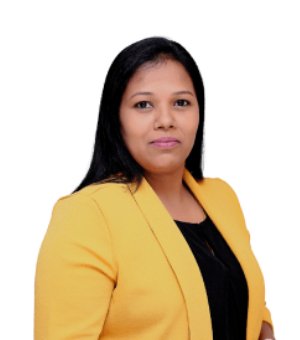
Poornima J turns complex business and regulatory topics into content that business leaders can quickly understand and apply. With a focus on global mobility, cross-border expansion, and Global Capability Centers (GCCs), she helps executives make sense of compliance requirements, market entry strategies, and international operating models. Her writing is designed to support companies making informed decisions as they expand into new markets.